Best Rate Guaranteed
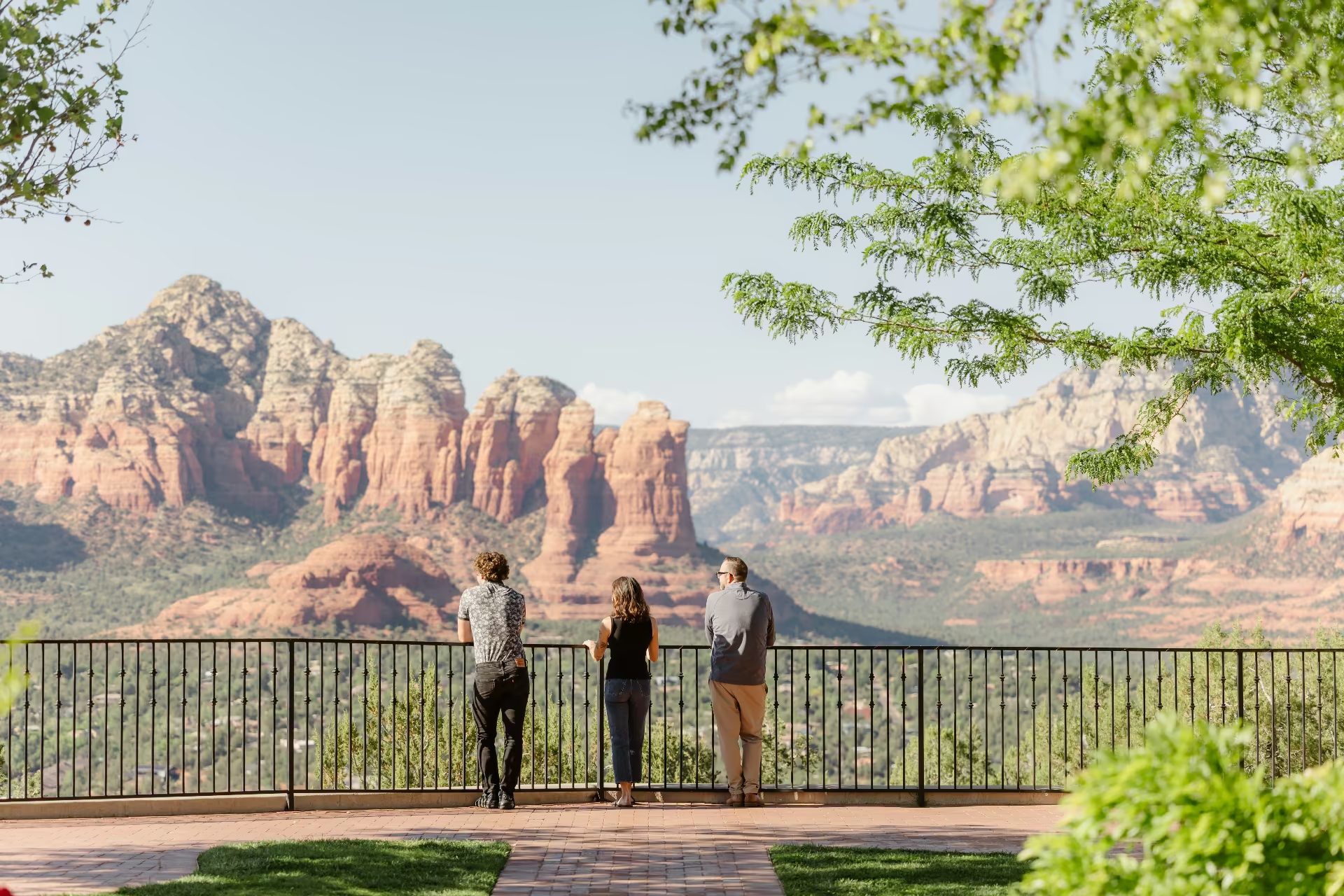
Guests overlooking the red rocks of Sedona from Sky Ranch Lodge

Trip Planning · 7 min read

Best Time to Visit Sedona: A Season-by-Season Guide

The honest answer — when the weather's finest, when the deals are best, when the crowds thin, and how to choose the season that fits the trip you want.

Sky Ranch Lodge
← All stories

Here's the truth most guides bury: there is no single best time to visit Sedona. The red rocks are spectacular in all four seasons — they simply offer four different experiences. Perfect hiking weather comes with peak crowds and peak prices. The quietest trails and the lowest rates come with a little heat or a little chill. The "right" time depends entirely on what you're after.

Because Sedona sits at around 4,300 feet, it gets genuine seasons — milder than Phoenix two hours south, with warm summers, crisp winters, and two glorious shoulder windows in between. This guide walks through each season honestly: the weather, the crowds, the prices, and what each one does better than the rest. By the end, you'll know exactly when your Sedona trip should be.

The short answer

Sedona at a glance, season by season

SeasonWeatherCrowds & pricesBest for
Spring (Mar–May)Mid-60s to mid-80s, wildflowers, clear skiesPeak — busiest and priciestFirst visits, hiking, blooms
Summer (Jun–Aug)90s days, monsoon afternoons, mild morningsLower crowds, better ratesWater days, stargazing, value adventure
Fall (Sep–Nov)80s cooling into the 60s, golden light, foliagePeak (especially October)Foliage, romance, photography
Winter (Dec–Feb)50s–60s days, 30s nights, occasional snowQuietest and cheapestSolitude, snow-dusted rocks, stargazing

01 · March – May

Spring — the postcard season

If you want Sedona at its most effortlessly perfect, spring is the answer. Daytime highs climb from the mid-60s in March to the low-to-mid 80s by May, humidity stays low, and the skies are reliably blue. From late March, desert wildflowers bloom along trails like Fay Canyon and Baldwin and the corridors of Highway 179, scattering color across the rust-red landscape. It's prime hiking weather, prime Jeep-tour weather, prime everything.

The catch is that everyone knows it. Spring is one of the two busiest, most expensive seasons of the year — trailhead lots fill before sunrise, restaurants book out, and room rates run high. If spring is your window, reserve your stay and your tours several weeks ahead, and start your hikes early to beat both the crowds and the parking. (The spring equinox in late March also draws spiritual practitioners to the vortex sites.)

Best forFirst-time visitors, wildflowers, peak hiking conditions — if you don't mind company.
02 · June – August

Summer — the underrated one

Summer is Sedona's most misunderstood season, and quietly one of its best values. Yes, daytime highs reach the 90s — but the elevation keeps things 15 to 20 degrees cooler than Phoenix, and mornings and evenings are genuinely lovely. The trick is simply to hike early, retreat to shade or the pool by midday, and come back out as the light softens.

Two things make a summer trip special. First, the water: this is the season for Oak Creek and Slide Rock State Park, for wading and swimming in cool red-rock pools. Second, the monsoon. From early July into September, dramatic afternoon thunderstorms roll through — short, theatrical, and stunning against the red rocks, with the kind of light photographers chase. And because Sedona is a certified Dark Sky Community, summer's warm, clear nights are made for stargazing.

Best of all for planners: summer brings the smallest spring-to-fall crowds and noticeably lower lodging rates. You'll often have the trails — and the views — largely to yourself.

Best forWater days, stargazing, monsoon drama, and red-rock beauty on a budget.

03 · September – November

Fall — the golden encore

Fall rivals spring for the title of Sedona's most beautiful season, and many locals quietly prefer it. September starts warm in the 80s and cools steadily into the 60s by November, the light turns to that famous Southwest gold, and from mid-October the canyons ignite with fall foliage — West Fork Trail in Oak Creek Canyon and the drive up Highway 89A are the classics. It's the season for romantic escapes and long, comfortable days outdoors.

Like spring, it's a peak season, so book ahead — October especially. One insider note: Thanksgiving week is very busy, but the window just after Thanksgiving through mid-December is one of Sedona's best-kept secrets, with mild weather, thinner crowds, and rates that ease off before the holidays arrive.

Best forFall color, photography, romance, and crisp hiking weather.

04 · December – February

Winter — the quiet, magical season

Winter is when Sedona exhales. Daytime highs sit in the 50s and 60s, nights drop into the 30s, and a few times each season a light snow dusts the red rocks — a fleeting, breathtaking sight that produces some of the most photographed scenes in the Southwest. Snow rarely accumulates in town or on the trails, though it's worth checking conditions if you drive Highway 89A toward Flagstaff, where higher elevations do see ice.

What you trade in warmth, you gain in everything else: the smallest crowds of the year, the lowest room rates, blissfully clear trails, and the season's most vivid sunrises and sunsets. Those cold, clear nights also make winter the finest time for stargazing under Sedona's dark skies. It's a cozy, romantic, restorative kind of trip — fireplaces, slow mornings, red rocks all to yourself. Early December brings the charming Festival of Lights at Tlaquepaque before holiday-week pricing kicks in.

Best forSolitude, value, snow-dusted photography, stargazing, and a romantic winter escape.

Decide quickly

So when should you go?

Best overall weather
Spring or fall — just book early and expect crowds.
Fewest crowds & best value
Winter, hands down. Summer is the runner-up.
Fall foliage
Mid-October to early November.
Snow on the red rocks
December through February (rare, light, magical).
Water and swimming
Summer, at Oak Creek and Slide Rock.
Stargazing
Winter for the clearest skies; summer for warm, comfortable nights.
Romance
Winter's cozy quiet or fall's golden light.
Photography
Winter snow, fall gold, or summer's monsoon skies — each extraordinary in its own way.
The sweet spots
Late May (post-Memorial Day) and the weeks just after Thanksgiving — best balance of weather and price.

A note on events: Sedona's calendar stays full year-round — a spring yoga festival, summer art and music events, the winter Festival of Lights and more. Dates shift annually, so check the official events calendar when you firm up your plans.

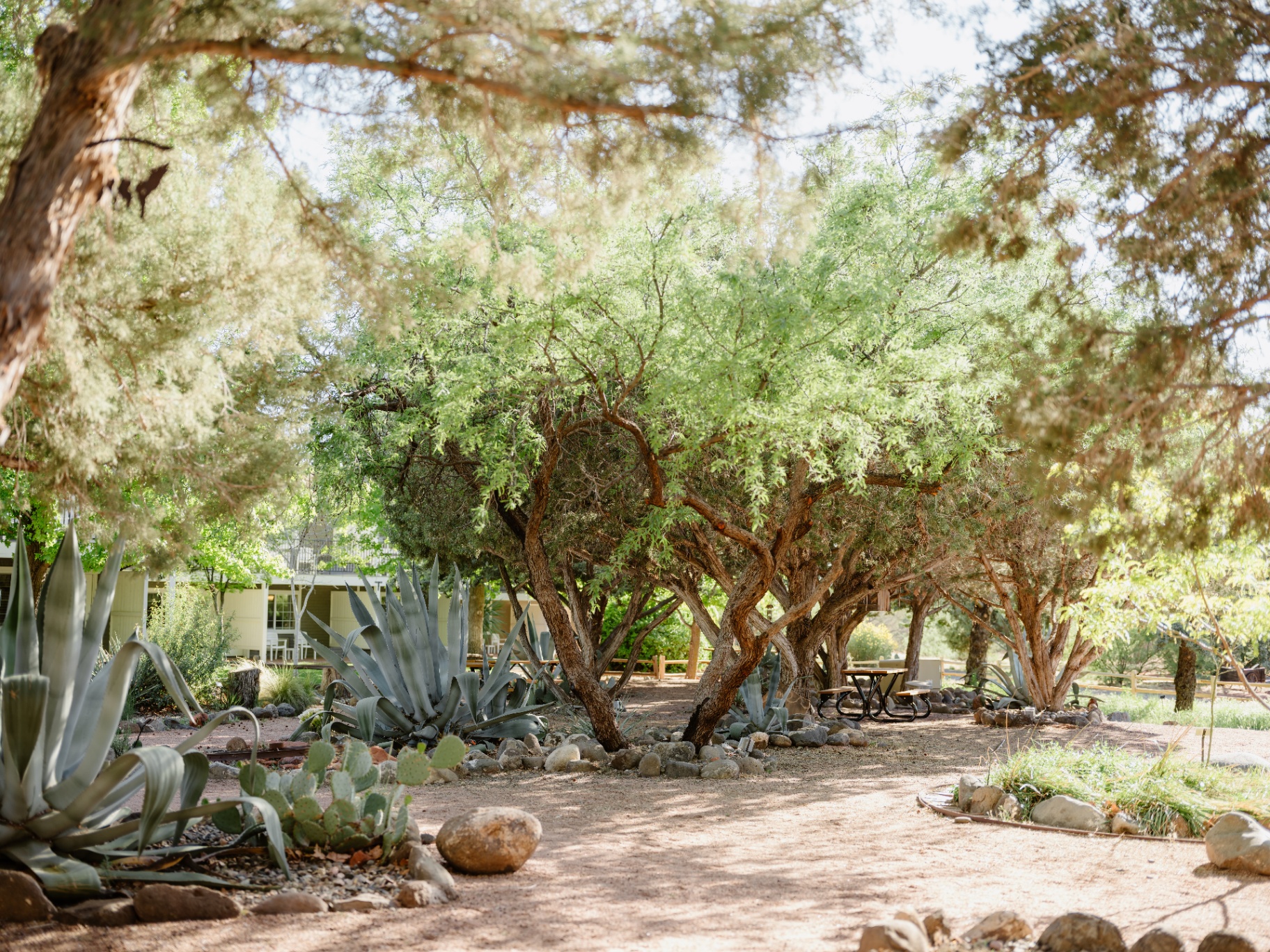
Shaded grounds with agave, mesquite trees and picnic seating at Sky Ranch Lodge

Where to stay, any season

Whatever the season, stay where everyone shines.

The quiet luxury of Sky Ranch Lodge is that it's built for all four seasons. Our perch on Airport Mesa means red-rock views and some of Sedona's best sunrises, sunsets and stargazing in any month — snow-dusted rocks from your patio in winter, monsoon light shows from the deck in summer, golden canyons in fall, wildflowers in spring.

Fireplaces for the cold mornings, a pool for the warm afternoons, a daily happy hour and botanical gardens for every season in between — and we're proudly pet-friendly year-round, because your dog deserves Sedona too. Since winter and summer bring our calmest, most affordable stretches, they're often the loveliest times to have the place to yourself.

When you've settled on your season, browse our current offers for the best value, take a look at our rooms and rates, or let our Experience Concierge line up the hikes, Jeep tours and stargazing that suit the time of year. Whenever you come, the red rocks will be waiting.

Planning FAQ

Frequently asked questions

What is the best time to visit Sedona overall?+

For the most comfortable weather, spring (March–May) and fall (September–November) are ideal, with highs in the mid-60s to mid-80s. They're also the busiest and most expensive seasons, so book well ahead.

What is the cheapest time to visit Sedona?+

Winter (December–February) brings the lowest rates and smallest crowds, with summer a close second. Midweek stays in these seasons offer the best value of all.

When is the least crowded time in Sedona?+

Winter is the quietest season by far — peaceful trails, easy parking and clear skies. Summer is also noticeably calmer than the spring and fall peaks.

Does it snow in Sedona?+

Yes, but lightly and only a few times each winter. Snow rarely accumulates in town or on the trails, but a dusting on the red rocks is one of the most beautiful sights in the Southwest.

When is monsoon season in Sedona?+

Roughly early July through September. Storms are typically short, dramatic afternoon or evening thunderstorms — plan outdoor activities for the morning and enjoy the light show later.

What is the best time of year to hike in Sedona?+

Spring and fall offer the most comfortable hiking conditions. In summer, start before 7 a.m. and carry plenty of water; in winter, pack warm layers and enjoy the quiet trails.